
Best Digital Marketing Channels for Small Businesses in India
If you run a small business, choosing where to invest your marketing time can feel overwhelming. Should you focus on Instagram, build a website, start blogging, run Google Ads, or create a WhatsApp Business account?
The answer depends on your audience, the product or service you sell, your budget, and how customers make purchasing decisions.
The most suitable Digital Marketing Channels for Small Businesses are not necessarily the most popular ones. They are the channels that help you reach relevant customers and move them towards a meaningful action.
Before choosing your channels, it helps to understand how they fit into a wider plan. Read my guide on how to create a digital marketing strategy for a small business to learn how to align your marketing activities with your business goals.
HubSpot’s marketing channel report highlights the importance of choosing channels strategically rather than trying to be everywhere. Here is how small businesses in India can evaluate their options.
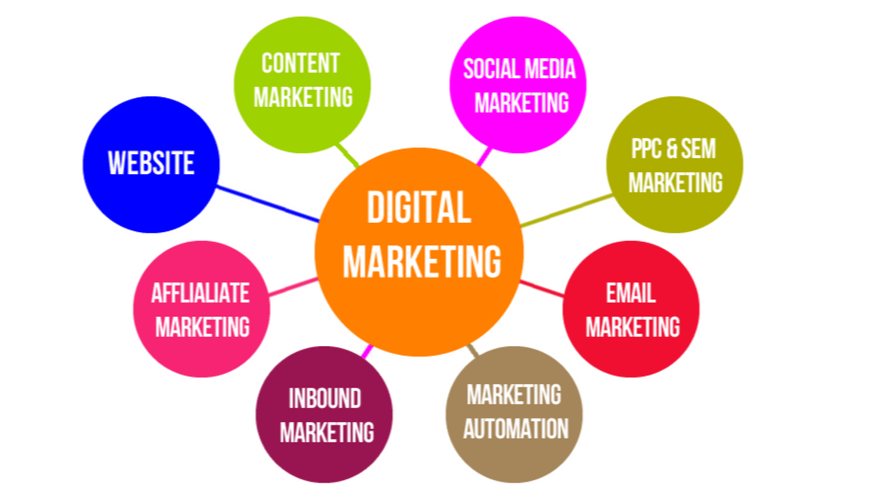
1. Search Engine Optimisation (SEO)
SEO helps potential customers discover your website when they search for relevant information, products, or services.
It can be particularly useful for businesses whose customers research their needs online before making contact.
For example, a local interior designer could create service pages targeting relevant locations, while an online store could publish helpful guides about selecting and using its products.
Start with keyword research, useful website content, descriptive page titles, internal links, and a technically accessible website. Google’s SEO Starter Guide explains how these fundamentals help search engines understand web pages.
Best for: Businesses seeking long-term organic visibility and customers who use search engines to research solutions.
Limitations: SEO takes time, competition varies, and rankings are not guaranteed.
If you want to understand how SEO fits into a wider marketing plan, explore my guide to Digital Marketing Strategies for Small Businesses.
2. Google Business Profile and Local SEO
For eligible local businesses, a Google Business Profile can be an important part of digital marketing.
A complete profile can help customers find business information on Google Search and Maps, view photos, check opening hours, and read reviews.
Google explains these features on its official Business Profile page.
A salon, clinic, restaurant, repair service, or local consultant could benefit from accurate contact details, relevant categories, current photographs, and a process for requesting honest customer reviews.
Best for: Businesses serving particular locations or customers who want nearby products and services.
Limitations: Local visibility depends on factors such as relevance, distance, and prominence. A profile does not guarantee a top position, and businesses must follow Google’s eligibility guidelines.
3. Social Media Marketing
Social media helps businesses build awareness, demonstrate products, communicate their personality, and engage with customers.
Choose platforms according to your audience and offering.
- Instagram: Suitable for visual products, creative services, demonstrations, and Reels.
- Facebook: Useful for relevant community groups and certain local audiences.
- LinkedIn: Suitable for professional services and B2B businesses.
- YouTube: Useful for tutorials, demonstrations, and detailed educational content.
For example, a home-based clothing brand could show styling ideas and product details on Instagram. A business consultant could use LinkedIn to publish useful industry insights.
Plan a sustainable publishing schedule instead of posting on every platform. Track relevant profile visits, enquiries, and conversions alongside engagement.
Best for: Businesses that benefit from visual discovery, community interaction, or ongoing customer education.
Limitations: Organic reach can fluctuate, and engagement does not automatically translate into sales.
For practical ways to promote a new business without overspending, read my guide on how to market a startup with a limited budget.
4. Content Marketing and Blogging
Content marketing gives potential customers useful information that helps them understand their problem and evaluate possible solutions.
A digital marketing consultant might publish a guide to website optimisation. A bakery could share cake-ordering tips, while a financial services firm might explain common business documentation requirements.
Blog articles can also support SEO by addressing relevant search queries and linking readers to service pages.
Google’s helpful content guidance encourages content created to benefit people, with original value and a satisfying answer to the reader’s question.
Best for: Businesses with expertise, common customer questions, or topics that require explanation before purchase.
Limitations: Creating useful content requires research, effort, and distribution. Publishing a blog does not guarantee traffic.
5. Google Ads
Google Ads allows businesses to advertise across Google properties and reach audiences according to campaign settings and targeting options.
Search campaigns may be suitable when potential customers actively look for a particular product or service.
For example, a plumbing business could test ads for relevant service searches in its service area. A specialist consultant might target specific high-intent queries.
Before launching, define your budget, target audience, landing page, and conversion actions. Monitor cost per qualified lead rather than evaluating success only through clicks.
Best for: Businesses with a clear offer and identifiable search demand that want to test paid acquisition.
Limitations: Costs vary by industry, competition, targeting, and campaign quality. Traffic stops when ads stop unless other channels continue to attract customers.
6. Meta Ads: Facebook and Instagram Advertising
Meta Ads can help businesses promote offers, introduce products, and generate enquiries among relevant audiences.
They can be useful when a product is visually appealing or when customers may not actively search for it but could be interested after seeing the offer.
A home-based gift business, for example, could test creative showcasing personalised gift options. A consultant might test an educational offer that encourages relevant prospects to enquire.
Use clear creative, an appropriate audience, and a straightforward next step. Test variations systematically and measure lead quality.
Best for: Businesses seeking product discovery, audience engagement, or lead generation through Facebook and Instagram.
Limitations: Advertising performance varies. Strong creative and targeting cannot compensate for an unclear offer or a poor follow-up process.
7. WhatsApp Business and Email Marketing
Direct communication channels can help businesses respond to enquiries and maintain relationships with customers who have chosen to hear from them.
WhatsApp Business may be useful for answering product questions, sharing order information, and facilitating customer conversations. Email can support newsletters, educational content, and relevant updates to subscribers.
For example, a home baker might use WhatsApp to coordinate orders, while a consultant could send a monthly newsletter with practical business advice.
Obtain appropriate permission for promotional messages, respect privacy, and avoid excessive communication.
Best for: Businesses that need customer follow-up, repeat purchases, or ongoing relationships.
Limitations: Direct communication works best when contact details are collected appropriately and messages provide genuine value.
How Should You Choose Your Marketing Channels?
Use the following guide to compare channels before committing your budget.
| Business type | Channels to consider first |
|---|---|
| Local shop or service | Google Business Profile, local SEO, relevant social media |
| Home-based product business | Instagram, WhatsApp Business, product-focused website |
| B2B consultancy | SEO, LinkedIn, useful content, email |
| New startup | Website, audience research, one or two relevant channels |
| Business with existing search demand | SEO and a carefully measured Google Ads test |
These are starting points, not fixed rules. Validate your choice by observing where your customers discover businesses and which channels generate qualified enquiries.
Final Thoughts
The best digital marketing channels for small businesses are the ones that fit your customers, goals, and capacity to execute consistently.
Start with a strong online foundation, select one or two suitable channels, and measure their contribution to business results. Expand only when you understand what is working and why.
Need help selecting the right channels for your business? Explore my digital marketing services for support with SEO, social media marketing, content strategy, performance marketing, and branding.