
Running a small business involves more than delivering a good product or service. You also need to reach potential customers, establish credibility, and give people a reason to choose your business over competitors. For many startups and small business owners in India, the challenge is figuring out how to do this without a large marketing team or an unlimited budget.
The right digital marketing strategies for small businesses can help you build visibility, connect with relevant audiences, and turn online interactions into meaningful business opportunities.
According to Semrush’s guide to digital marketing strategies, an effective strategy should centre on the audience and its needs rather than simply following the latest marketing trends. This is an important starting point for small businesses: choose your marketing activities based on your customers, goals, and available resources.
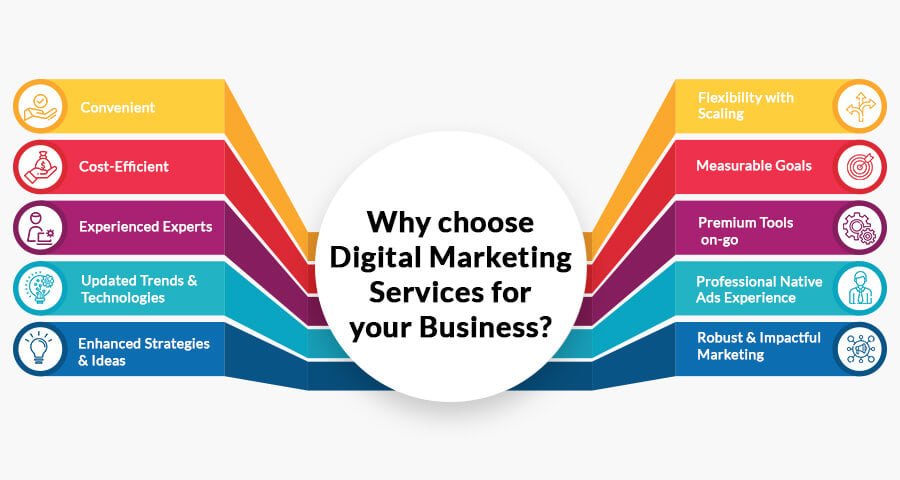
Why Digital Marketing Strategies for Small Businesses are necessary?
Customers may discover a business through Google Search, Instagram, online reviews, YouTube, recommendations, or advertisements. Their journey is rarely limited to a single interaction.
Google’s 2025 India marketing announcement discusses how Indian consumers interact with multiple digital touchpoints while discovering and evaluating brands. For small businesses, this reinforces the importance of making information accessible wherever potential customers are likely to look.
A structured marketing strategy helps you:
- Reach people who are likely to need your products or services.
- Build brand awareness and credibility.
- Generate relevant website visits and enquiries.
- Use limited resources more effectively.
- Understand which marketing activities contribute to business goals.
However, simply being active on multiple platforms does not guarantee growth. Each channel should serve a clear purpose.
1. Define Your Audience and Business Goals
Before choosing marketing channels, understand who you want to reach.
Consider a home-based jewellery business. Its audience might include customers looking for handmade gifts, personalised accessories, or products for special occasions. A local accounting consultancy, on the other hand, might target freelancers, small companies, and self-employed professionals.
These businesses need different messages and marketing approaches.
Start by answering three questions:
- Who is your ideal customer?
- What problem does your product or service solve?
- What action do you want the customer to take?
Next, set measurable goals. Instead of aiming simply to increase followers, you might aim to generate 20 qualified enquiries per month, increase relevant website traffic, or improve repeat purchases.
Treat these as targets to test and refine, not guaranteed outcomes.
2. Build a Strong Website and Invest in SEO
Your website can become the central destination for your marketing efforts. It should explain what you offer, who you serve, why customers should trust you, and how they can contact you.
Search engine optimisation (SEO) helps search engines understand your website and connect its content with relevant searches. Google’s SEO Starter Guide recommends creating useful, accessible, well-organised content and using language that reflects how people search.
For a small business, practical SEO activities include:
- Researching keywords that match customer needs.
- Writing clear page titles and headings.
- Creating helpful service pages and blog articles.
- Improving mobile usability and page experience.
- Linking relevant pages together.
- Keeping business information accurate.
Local businesses should also consider a Google Business Profile. It can help eligible businesses appear on Google Search and Maps, display essential details, share photos, and collect customer reviews.
SEO is a long-term investment. Rankings depend on competition, content quality, technical factors, and other signals, so avoid promises of instant results.
3. Use Social Media With a Clear Purpose
Social media marketing can help small businesses demonstrate their expertise, showcase products, answer questions, and build relationships.
Choose platforms based on how your customers discover and evaluate businesses.
- Instagram: Product demonstrations, Reels, visual storytelling, and customer experiences.
- Facebook: Community engagement and relevant local audiences.
- LinkedIn: Professional services, consultants, and business-to-business marketing.
- YouTube: Tutorials, demonstrations, and educational videos.
Develop a manageable content plan that includes educational posts, product or service explanations, customer questions, testimonials, and behind-the-scenes content.
For example, a home baker could share cake customisation ideas, explain ordering timelines, and showcase completed orders. Each post should make it easier for customers to understand the offering and enquire.
4. Create Content That Answers Customer Questions
Content marketing allows businesses to demonstrate knowledge before asking customers to make a purchase.
A digital marketing consultant might publish a guide to local SEO. A boutique could create a clothing-care guide. A financial consultant might explain common documentation requirements for small businesses.
Useful formats include blog articles, FAQs, short videos, downloadable checklists, and email newsletters.
Google’s guidance on helpful, reliable, people-first content encourages content that satisfies readers’ needs and demonstrates knowledge. The objective should be to answer genuine questions, not simply publish articles to insert keywords.
5. Use Paid Advertising Strategically
Paid advertising can help businesses reach targeted audiences, but it should be supported by a clear offer and a reliable conversion process.
Google Ads can be useful for reaching people searching for specific products or services. Meta Ads can help introduce offers to relevant audiences across Facebook and Instagram.
Before launching a campaign:
- Define the target audience and campaign objective.
- Set a budget you can afford to test.
- Create a relevant landing page or enquiry process.
- Install and test conversion tracking.
- Monitor qualified leads, sales, and cost per acquisition.
Clicks and impressions alone do not establish whether an advertising campaign is profitable. Review the quality of the enquiries and the revenue they generate.
6. Build Relationships Through Email and Direct Communication
Not every customer will purchase immediately. Email marketing and appropriate follow-up communication can help businesses nurture people who have already expressed interest.
For example, a consultant might send useful tips to subscribers who have opted in, while an online store could share new arrivals with customers who have agreed to receive updates.
Keep messages relevant, provide an easy way to unsubscribe, and respect privacy requirements. For businesses using WhatsApp, obtain appropriate consent and avoid unsolicited promotional messages.
7. Measure Results and Improve
Track metrics that reflect your business goals instead of relying entirely on likes or follower counts.
| Goal | Useful metrics |
|---|---|
| Improve search visibility | Search impressions, clicks, relevant queries |
| Generate enquiries | Qualified leads, calls, form submissions |
| Increase sales | Orders, conversion rate, revenue |
| Improve ad efficiency | Cost per lead, acquisition cost, return on ad spend |
| Strengthen customer relationships | Repeat purchases, email engagement |
Google Analytics and Google Search Console can help you understand website activity and search performance. Advertising platforms also provide campaign reporting.
Review your results regularly, identify what is working, and make focused improvements.
Final Thoughts
Successful digital marketing does not require a small business to be everywhere online. It requires a clear understanding of its customers, a useful online presence, consistent communication, and a willingness to learn from results.
Start with a few suitable channels, create content that addresses customer problems, and measure whether your efforts contribute to business growth.
Need help building a digital marketing strategy for your business? Explore my digital marketing services to see how SEO, social media marketing, performance marketing, content marketing, and branding can work together to strengthen your online presence.
Explore More Digital Marketing Guides for Small Businesses
Building a strong online presence takes the right strategy, channels, and consistent effort. Explore these guides to learn more about growing your business through digital marketing.
- How to Create a Digital Marketing Strategy for a Small Business: Learn how to set marketing goals, identify your target audience, choose the right channels, and measure results.
- How to Market a Startup With a Limited Budget in India: Discover practical, affordable marketing ideas for startups and small businesses.
- Best Digital Marketing Channels for Small Businesses in India: Compare SEO, social media, Google Ads, email marketing, and other channels for business growth.
- How to Generate Leads Online for a Small Business in India: Explore ways to attract potential customers and turn website visitors into business enquiries.